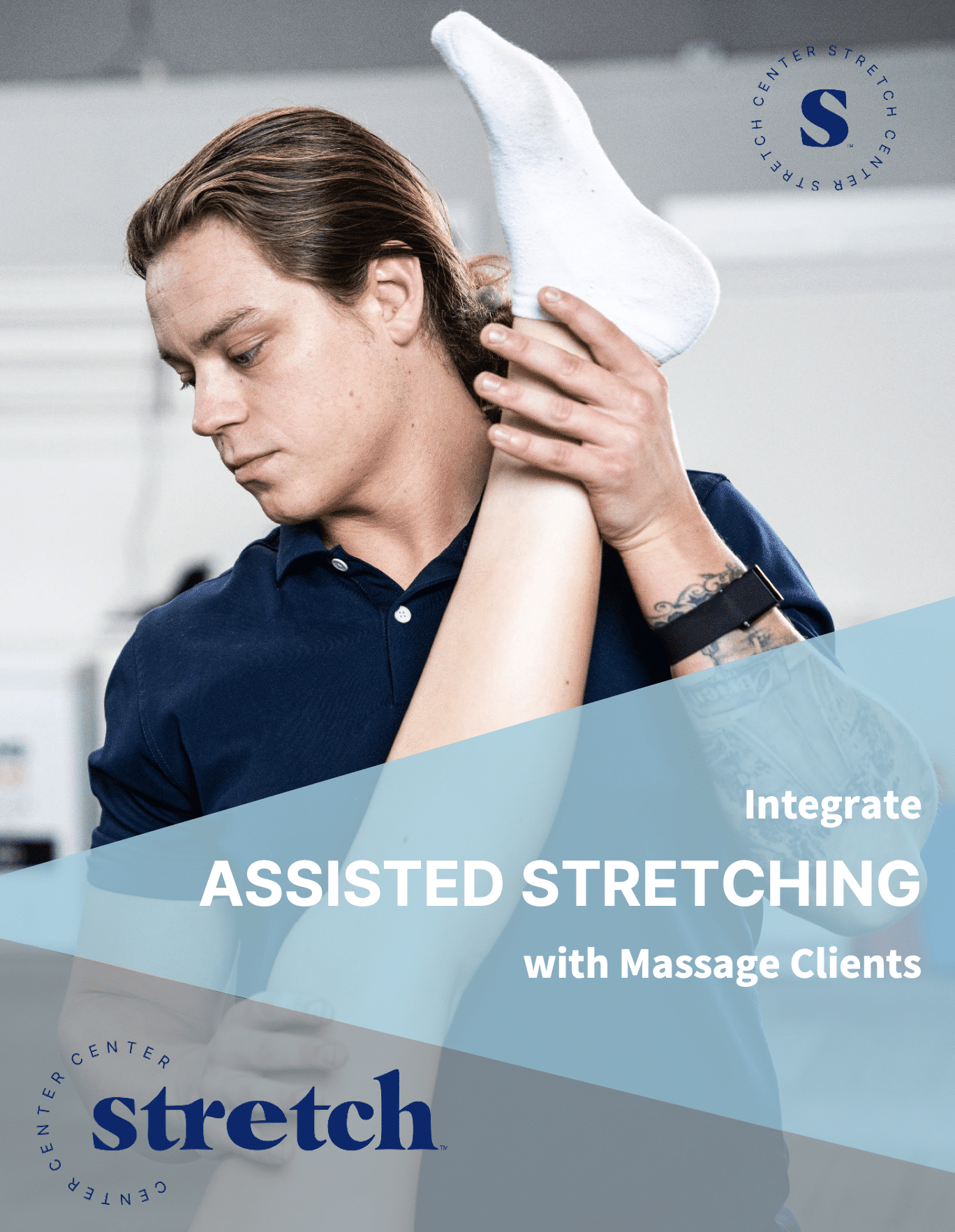

A step-by-step guide for trainers, therapists, and chiropractors
The Opportunity Most Practices Are Missing
If you already work with clients on movement, recovery, or pain management, you likely see the same patterns:
- Clients plateau despite consistent sessions
- Mobility limitations slow progress
- Revenue is tied to time, not value
Assisted stretching addresses all three, but only when it is implemented correctly and delivered with confidence.
What Assisted Stretching Adds to Your Services
Adding assisted stretching is not just another modality. It changes how you deliver results.
For clients:
- Improved mobility and range of motion
- Faster recovery between sessions
- Reduced discomfort from daily activity or training
For your business:
- Higher-value sessions
- A new service line without major overhead
- Stronger client retention through measurable results
Step-by-Step: How to Implement Assisted Stretching
Step 1: Identify the Right Clients
Start with clients who already demonstrate a clear need:
- Desk workers with posture issues
- Athletes with tightness or limited range of motion
- Clients with recurring stiffness or discomfort
These clients often respond well because the benefit is easy to understand.
Step 2: Learn Proper Technique
Assisted stretching is hands-on. Poor execution can lead to:
- Ineffective results
- Client discomfort
- Increased risk of injury
You need structured training that covers:
- Safe positioning and stabilization
- Stretch progressions and intensity control
- Contraindications and client assessment
This is where a structured program like the Stretch Center Assisted Stretching Certification becomes relevant. It provides a repeatable system rather than isolated techniques.
Step 3: Decide How to Offer It
There are three common models:
1. Add-On Service
- 10–15 minutes at the end of sessions
- An easy entry point for existing clients
2. Standalone Sessions
- 25–50 minute dedicated stretch sessions
- Higher perceived value
3. Package Integration
- Combine with training, rehab, or wellness plans
- Increase total client spend and retention
Step 4: Integrate It Into Your Workflow
Keep implementation simple:
- Use assisted stretching as a warm-up or recovery block
- Introduce it during reassessments or plateaus
- Position it as a solution, not an extra
Your mobility is limiting progress. This can help improve how you move and recover.
Step 5: Price It for Value
Avoid underpricing. Assisted stretching is:
- Hands-on
- Specialized
- Outcome-driven
Common pricing approaches include:
- Charging a premium per session
- Bundling it into higher-tier packages
- Offering introductory sessions to demonstrate value
Step 6: Launch It to Your Clients
You do not need complex marketing to get started.
Start with:
- Direct conversations during sessions
- A simple new service announcement
- Before-and-after mobility improvements
Focus on outcomes, not features.
What This Looks Like in Practice
Once implemented correctly, assisted stretching can:
- Increase average revenue per client
- Improve session outcomes
- Reduce client churn
It becomes a differentiator, especially in saturated fitness and wellness markets.
Where Most People Get Stuck
Common mistakes include:
- Trying to piece together techniques from videos
- Underestimating safety and positioning
- Not knowing how to structure sessions
These mistakes can lead to inconsistent results and low confidence.
The Fastest Way to Do This Correctly
If your goal is to:
- Add a new high-value service
- Deliver consistent, safe results
- Integrate assisted stretching into your current business quickly
Then structured training is the most efficient path.
The Stretch Center Assisted Stretching Certification is designed to take you from learning to implementation with:
- Step-by-step assisted stretching techniques
- Client-ready protocols
- Clear application in real sessions
Next Step
If you want to confidently offer assisted stretching and turn it into a meaningful part of your business, explore the certification here:
Learn more about the Stretch Center Assisted Stretching Certification
This is not about adding more to your workload. It is about increasing the value of what you already do.
Looking for more?