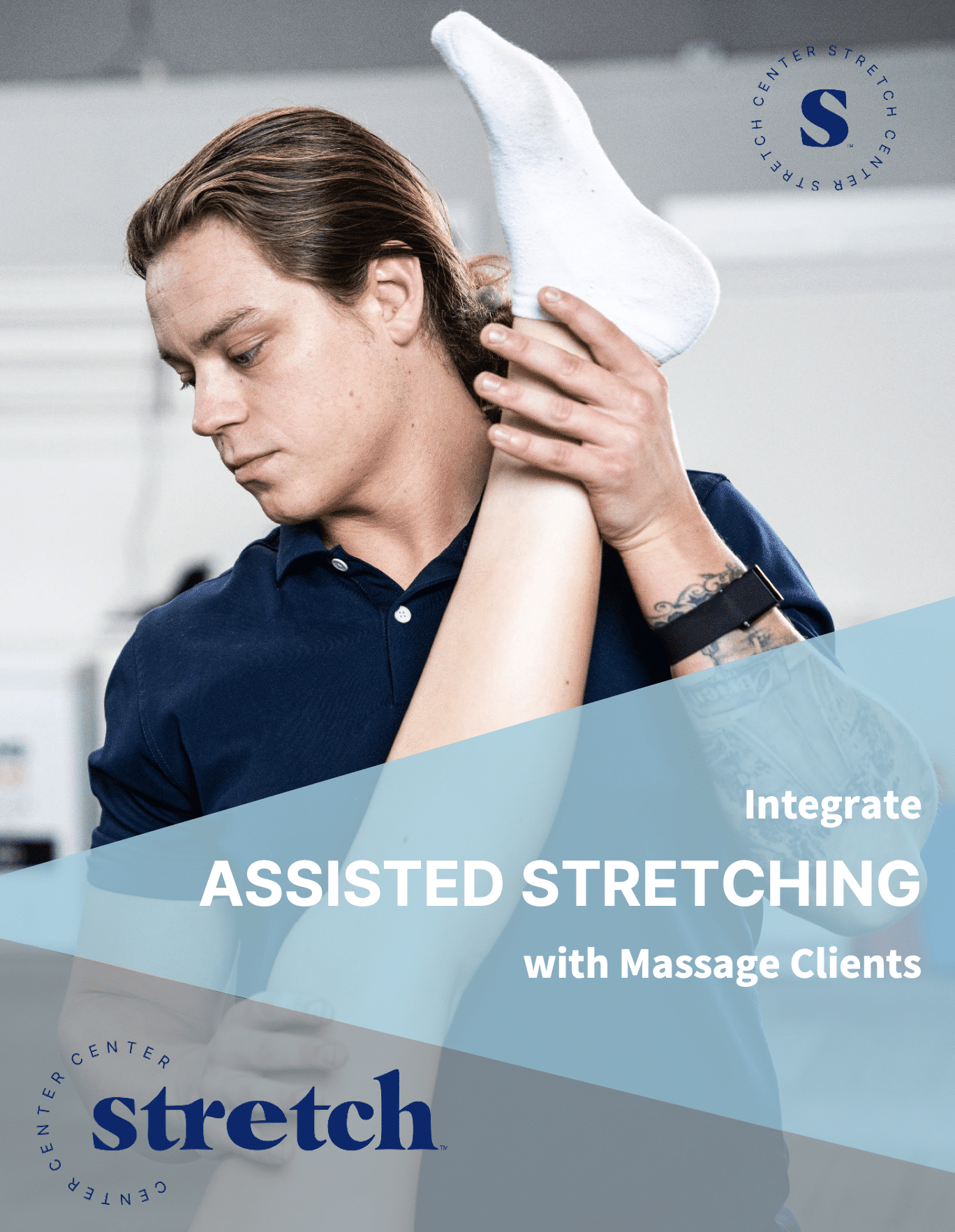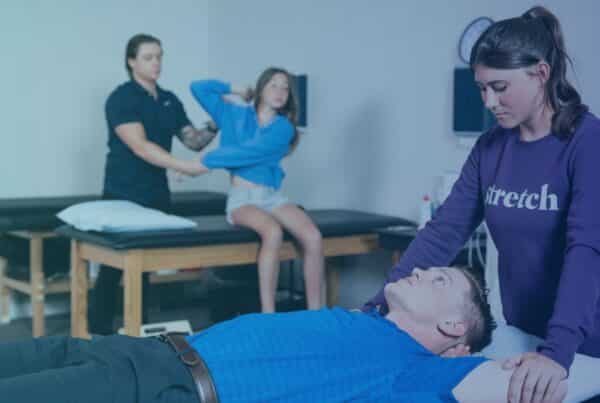
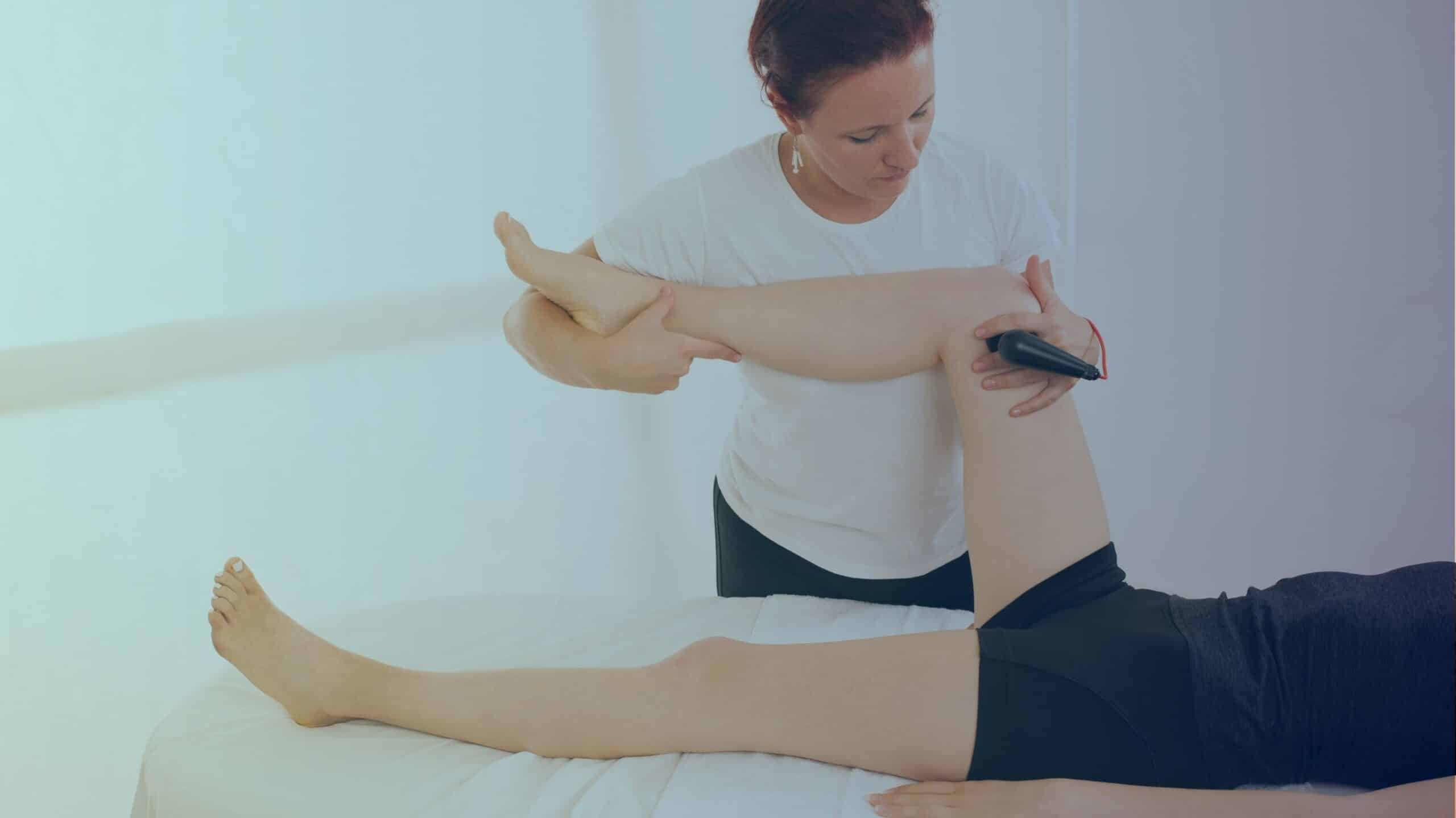
Assisted stretching can be a valuable service for fitness, wellness, and recovery-focused businesses. It can help clients improve mobility, feel better, and add a high-value option to your existing services.
But assisted stretching is hands-on. That means technique, positioning, communication, and safety matter. If you are adding assisted stretching to your practice, avoiding common mistakes can help you deliver better results and build client confidence from the start.
1. Using Poor Positioning and Stabilization
One of the biggest mistakes new providers make is focusing only on the stretch itself while ignoring body positioning and stabilization.
In assisted stretching, how you position the client matters just as much as the stretch you perform. Without proper stabilization, the body may compensate, the target muscle may not be stretched effectively, and the client may feel uncomfortable or unsupported.
How to avoid it:
- Set the client up in a stable, supported position before beginning the stretch
- Control the movement instead of forcing range of motion
- Stabilize the correct joints and body segments
- Move slowly and observe how the client responds
Good assisted stretching should feel controlled, intentional, and professional.
2. Overstretching the Client
More intensity does not always mean better results. Overstretching is a common mistake, especially when providers assume that a stronger stretch will create a better outcome.
Clients should not feel sharp pain, pressure, or panic during a stretch. Pushing too far can reduce trust and may increase the risk of irritation or injury.
How to avoid it:
- Use clear communication before and during each stretch
- Ask clients to describe intensity using a simple scale
- Stay within a controlled, tolerable range
- Back off immediately if the client reports pain or discomfort
The goal is not to force flexibility. The goal is to help the client improve movement safely and progressively.
3. Not Having a Structured Session Flow
Another mistake is treating assisted stretching like a random collection of techniques. Without a clear session structure, the experience can feel inconsistent and less professional.
A structured session helps you decide what to address, how to progress, and how to deliver a repeatable client experience.
How to avoid it:
- Begin with a simple intake or movement discussion
- Identify the client’s main limitation or goal
- Use a consistent order for stretches and transitions
- Track what you performed and how the client responded
- Adjust future sessions based on progress
When your process is organized, clients are more likely to understand the value of the service and return for future sessions.
4. Ignoring Contraindications and Client History
Assisted stretching is not appropriate for every person in every situation. Ignoring client history is one of the most serious mistakes a provider can make.
Before performing assisted stretching, you should understand whether the client has injuries, recent surgeries, pain symptoms, joint issues, or medical conditions that require caution or referral.
How to avoid it:
- Ask about injuries, surgeries, pain, and limitations before the session
- Avoid stretching through pain or restricted movement
- Know when to modify a stretch
- Know when to stop and refer the client to a licensed healthcare provider
This is especially important for non-clinical providers. Assisted stretching should stay within your scope of practice and should not be presented as diagnosis, treatment, or medical therapy.
5. Undervaluing the Service
Many providers add assisted stretching but treat it like a small bonus instead of a specialized service. That can make it harder to price, package, and explain its value.
Assisted stretching is hands-on, personalized, and outcome-focused. When positioned correctly, it can become a strong standalone service or a premium add-on to training, massage, chiropractic, or wellness sessions.
How to avoid it:
- Clearly explain the client benefits
- Create dedicated assisted stretching packages
- Offer it as a premium upgrade, not just a free extra
- Use client progress and feedback to reinforce value
If clients understand how assisted stretching helps them move, recover, and feel better, they are more likely to see it as a service worth paying for.
The Best Way to Avoid These Mistakes
The easiest way to avoid these issues is to follow a structured training system instead of trying to piece techniques together on your own.
The Stretch Center Assisted Stretching Certification is designed to help fitness and wellness professionals learn safe, practical assisted stretching techniques they can apply with clients.
Through structured training, you can learn how to:
- Position and stabilize clients properly
- Control stretch intensity
- Build organized session flows
- Understand safety considerations and contraindications
- Confidently add assisted stretching to your services
Build Confidence Before You Start
Assisted stretching can be a strong addition to your business, but only when it is delivered safely and professionally.
By avoiding these common mistakes, you can create a better client experience, improve results, and build a service that supports long-term growth.
Learn more about the Stretch Center Assisted Stretching Certification
Looking for more?